How Long Does It Take to Get a Headstone?
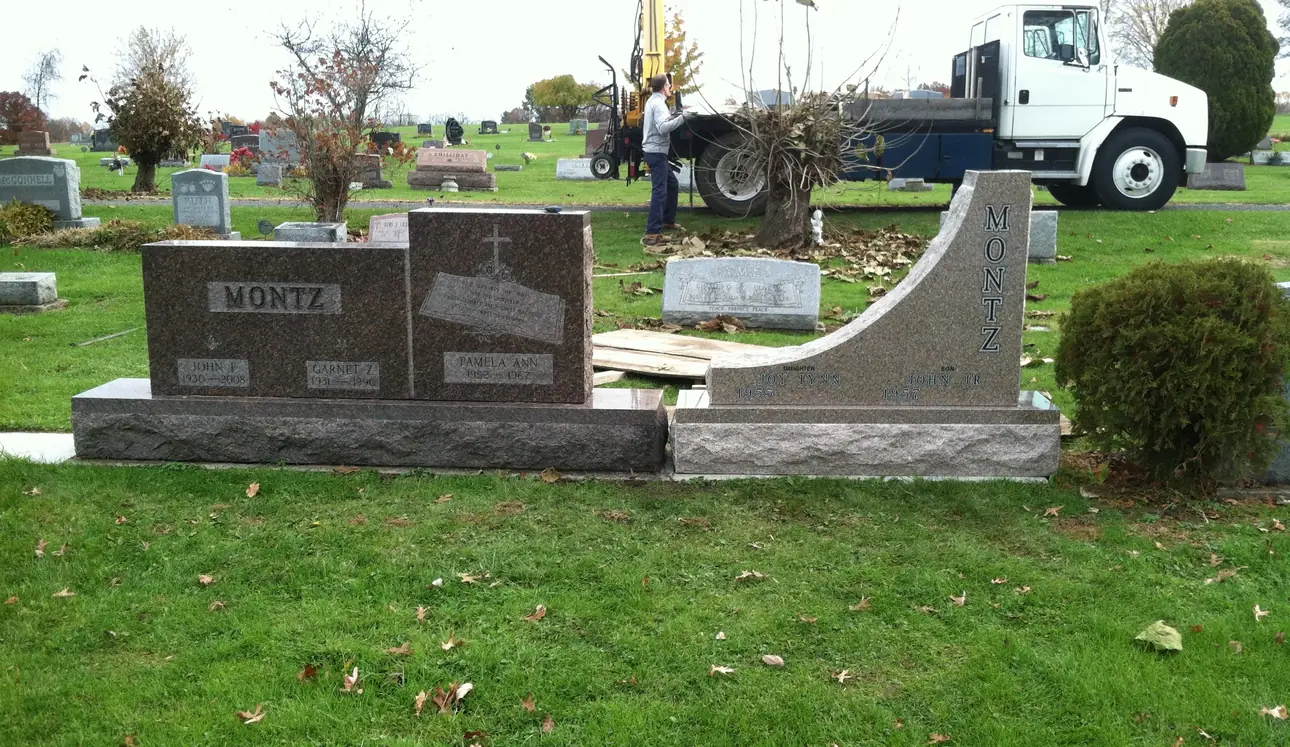
In the weeks after a burial, many families feel a nagging worry every time they visit the cemetery: the grave is still unmarked, and it feels wrong. If that is you, take a breath. A bare grave in the first months is completely normal, it does not mean anything has been forgotten, and the timeline at work is there to protect the monument you are waiting for.
The short answer
From the day you order to the day the stone is standing in the cemetery, most memorials take three to six months. A smaller, less unique marker is finished closer to three months. A larger or fully custom monument can take up to six. The range depends on choices you have not made yet, which is why a monument builder can give you a real date only once a design starts taking shape.
Why the grave has no stone yet, and why that is fine
The part of the timeline nobody controls is the cemetery's calendar. A monument cannot be set until a concrete footer has been poured for it, and in Ohio that work runs with the season: cemeteries generally begin pouring in the spring and stop just before winter. An order placed in late autumn can have a finished stone waiting in the shop while the ground is closed, and it goes in when the season opens again.
Cemeteries also set their own rules about when a stone may go on a new grave. Some ask families to wait while the disturbed soil settles and compacts, and heavier upright monuments are usually held back longer than flat and slant markers, which are lighter and more forgiving. Those rules vary from one cemetery to the next. We work with them across Portage, Summit, and Stark Counties every week, so we can tell you what your cemetery expects before you plan around a date.
So the waiting and the making happen at the same time. While the cemetery's schedule comes around, the stone is being designed, quarried, and carved. Families who understand this stop watching the bare grave with dread and start watching the design take shape instead.
What happens between order and installation
Design and approval. You choose the monument type, granite color, lettering, and artwork, and we draw up a full proof for your review. This stage moves at the family's pace. Some approve a design in a week; others revise for a month or more, and that is time well spent. If you are still gathering thoughts, our guide on what to write on a headstone is a good place to start.
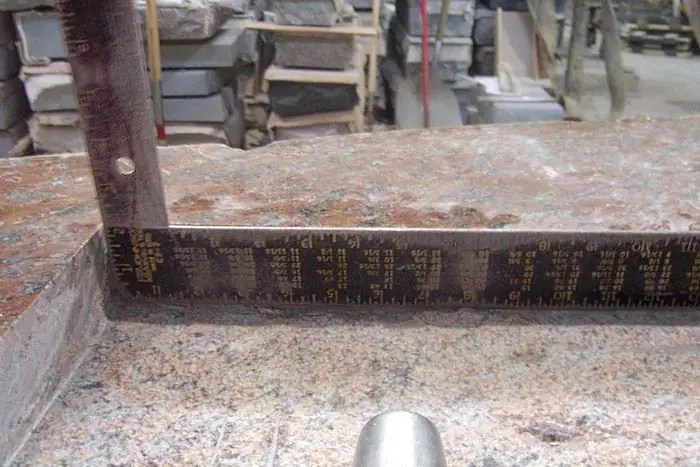
Sourcing the granite. Common colors are usually in steady supply. Rarer colors, including some quarried overseas, can add weeks to the wait. If timing matters to you, tell us early and we can steer you toward stones that are readily available.
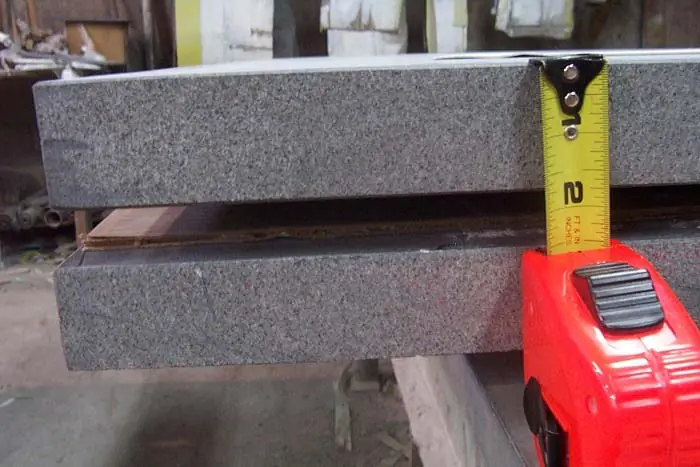
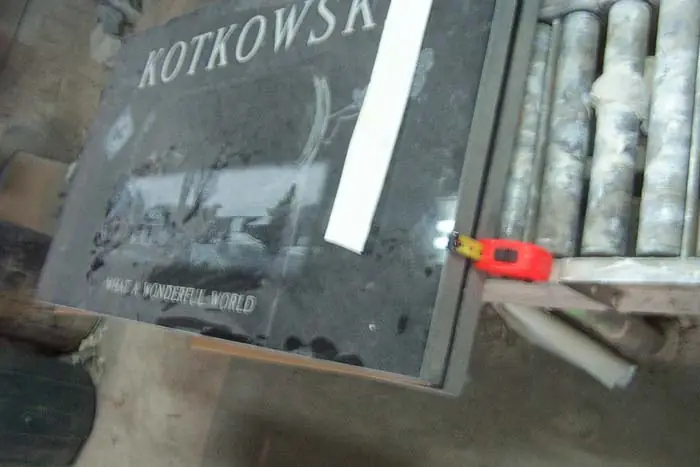
Cutting, polishing, and engraving. The stone is cut to shape, finished, and engraved with your approved design. Hand work, etched portraits, and special shapes add time here, and they are usually worth it.
Foundation and setting. A concrete footer is poured, then the stone is delivered and set. Cemeteries schedule that work in batches and by season, and here in Ohio it generally runs from spring until just before winter. A monument finished in January waits for the ground to open again, and spring brings a backlog of winter orders with it.
What stretches the timeline, and what you control
Three things drive most delays: a rare granite color, a highly custom design, and the calendar. You cannot control when your cemetery pours footers, but you can control when you start. Beginning the design a month or two after the funeral, rather than waiting, usually means the stone is ready the moment the cemetery is.
The other thing you control is the proof stage. A design that sits unreviewed adds a week for every week it sits. When you are ready, read it carefully, confirm every name and date, and send it back. Be careful, and be prompt.
In the meantime
Most cemeteries place a temporary marker after burial, and the funeral home often provides one as well. If the wait weighs on you, visiting with flowers or a small seasonal remembrance keeps the grave tended and loved while the permanent stone is made. The months pass faster than the first one suggests.
And if you are reading this ahead of need rather than after a loss, you have the easiest timeline of all. A memorial chosen in advance removes every deadline from the process; our guide to pre-planning a headstone explains how families do it.
Start when you are ready
Our family has been building monuments for families across Portage, Summit, and Stark Counties since 2004, and we have never once told a family they were starting too late. The stone will be made well, whenever you begin, and it will stand for generations either way.
When you are ready to talk through a memorial and what its timeline would look like, reach out to us or stop by the showroom in Ravenna. We will give you a straight answer for your specific cemetery, your design, and the season, and then we will get to work.