What to Write on a Headstone
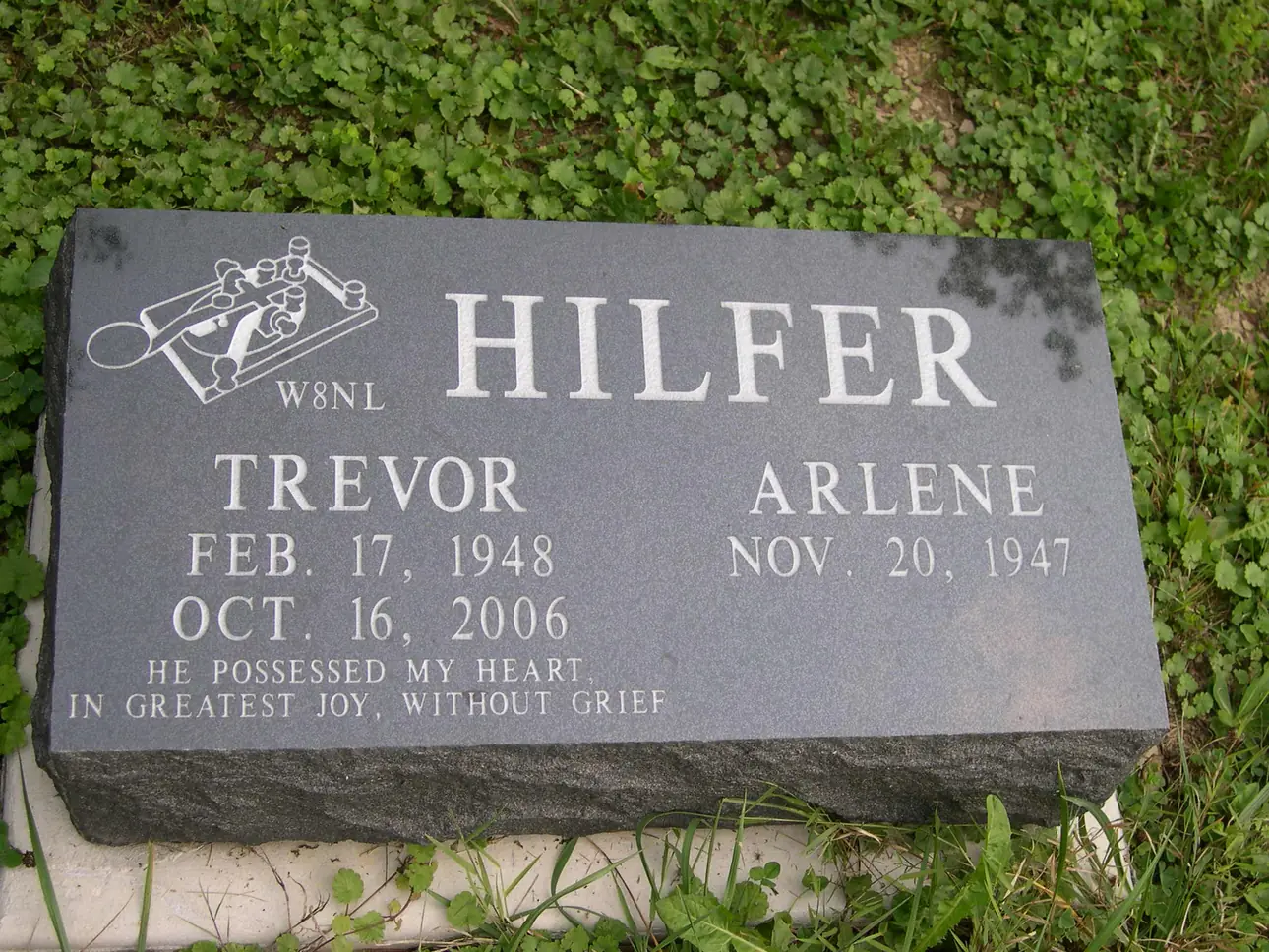
Of all the decisions that go into a memorial, the inscription is the one families worry over most. Granite color and monument shape feel like choices; the words feel like a responsibility. A few lines have to stand for a whole life, and they will be read by great-grandchildren who never got to meet the person beneath them.
After more than twenty years of helping families across Portage, Summit, and Stark Counties through this, we can tell you two reassuring things. First, there is a familiar structure to lean on, so you are not starting from a blank stone. Second, the words that work best are almost never elaborate. They are short, true, and in the voice of the family.
This guide walks the whole inscription in the order it gets decided: the name, the dates, the relationship line, the epitaph, the lettering, and the emblems beside it. It also covers the parts nobody warns you about: what a veteran's government marker will and will not allow, how a name gets added to a stone already standing, and the proofreading step that protects all of it.
What goes on a headstone
Most inscriptions are built from a handful of standard parts:
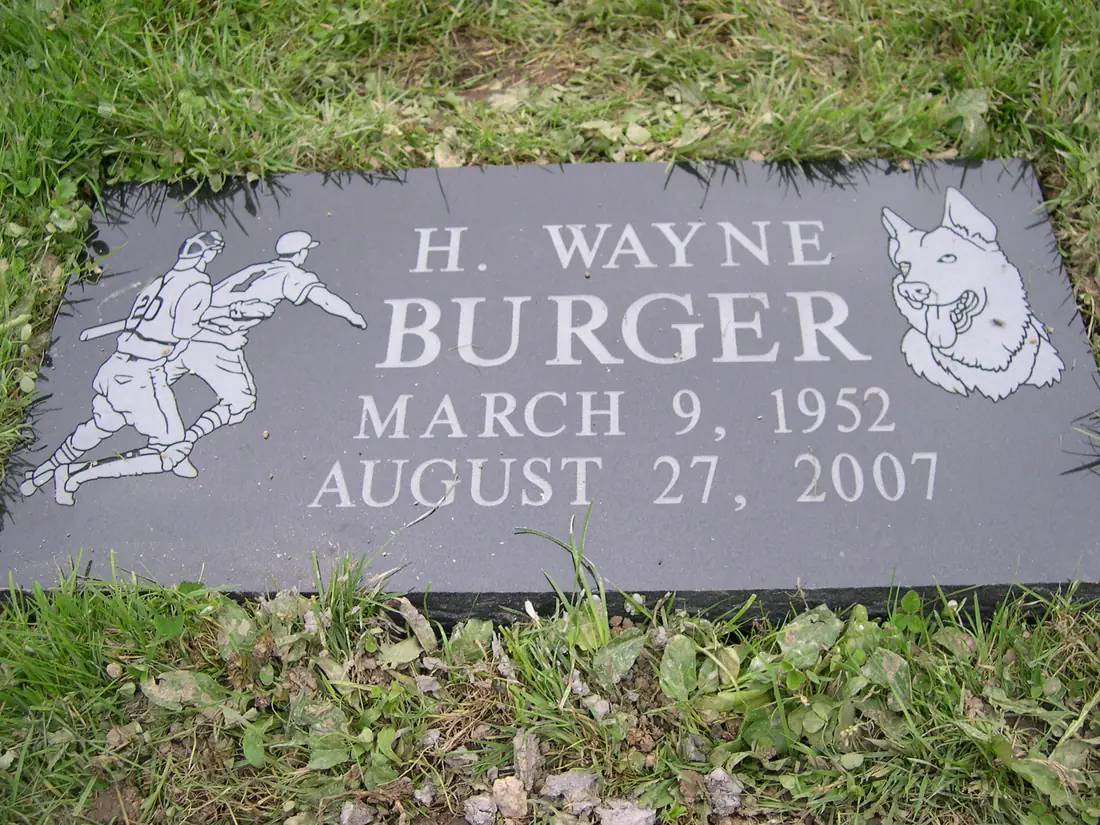
- The name. Usually the full legal name, though many families add a nickname in quotation marks, the name everyone used.
- The dates. Birth and death years, or full dates. On a stone placed ahead of need, the final date is left blank and engraved later.
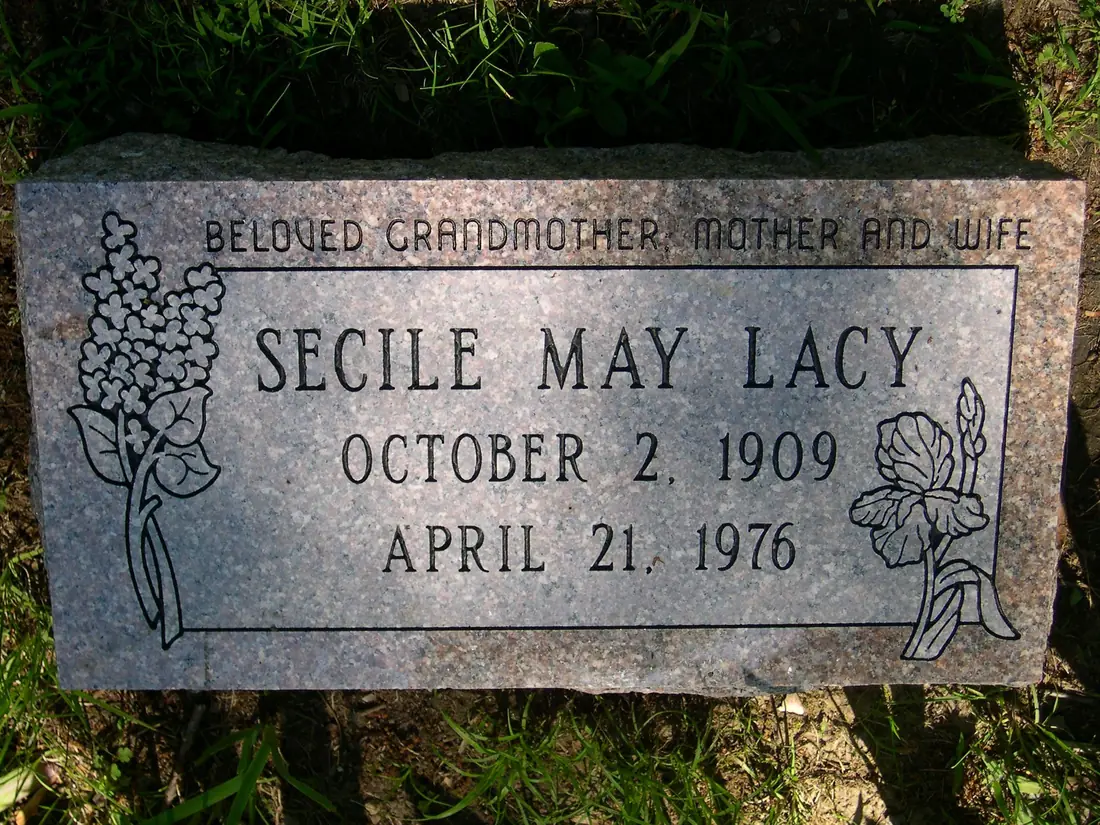
- The relationship line. "Beloved husband, father, and grandfather." "Devoted mother and friend." This one line often carries more feeling than anything else on the stone.
- The epitaph. A short phrase, verse, or saying. This is the part families mean when they ask what to write.
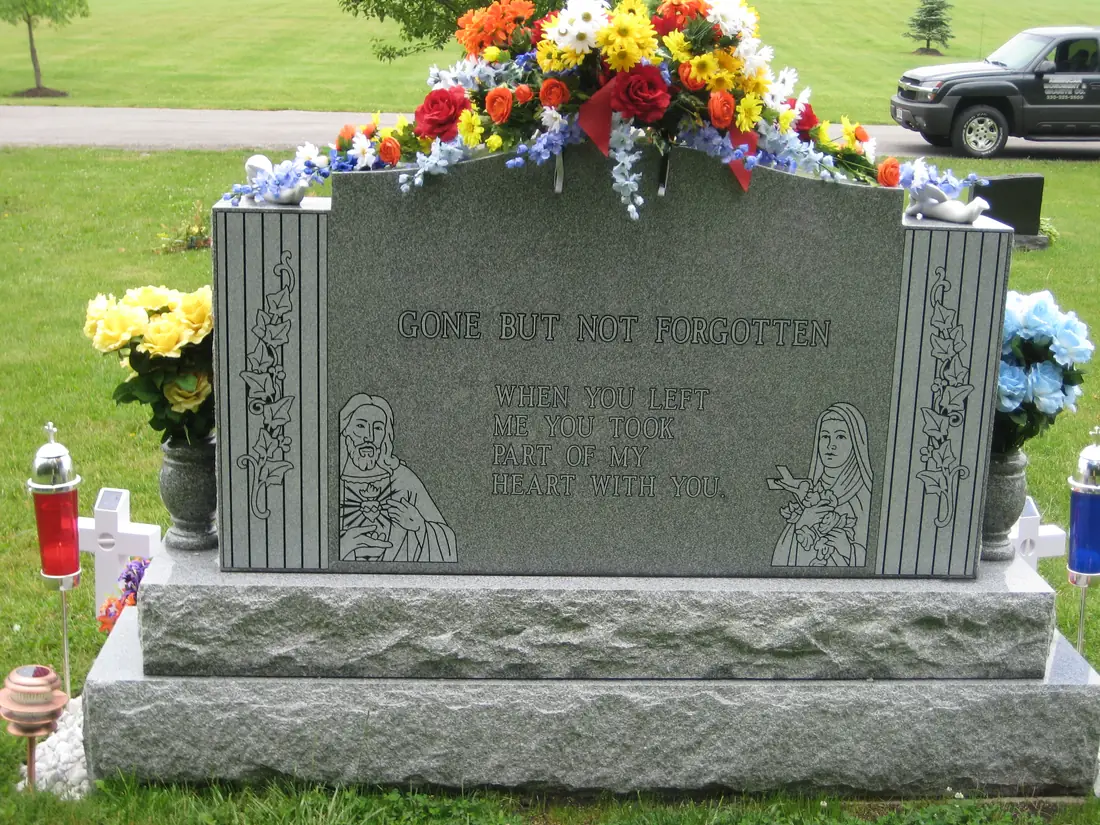
- Emblems and artwork. A cross, praying hands, a military branch insignia, a rose, a fishing rod, a musical note. Symbols say what words sometimes cannot.
You do not need all of these. Some of the most striking monuments in any cemetery carry only a family name. Others tell a story across the whole back of the stone. Both are right when they fit the person.
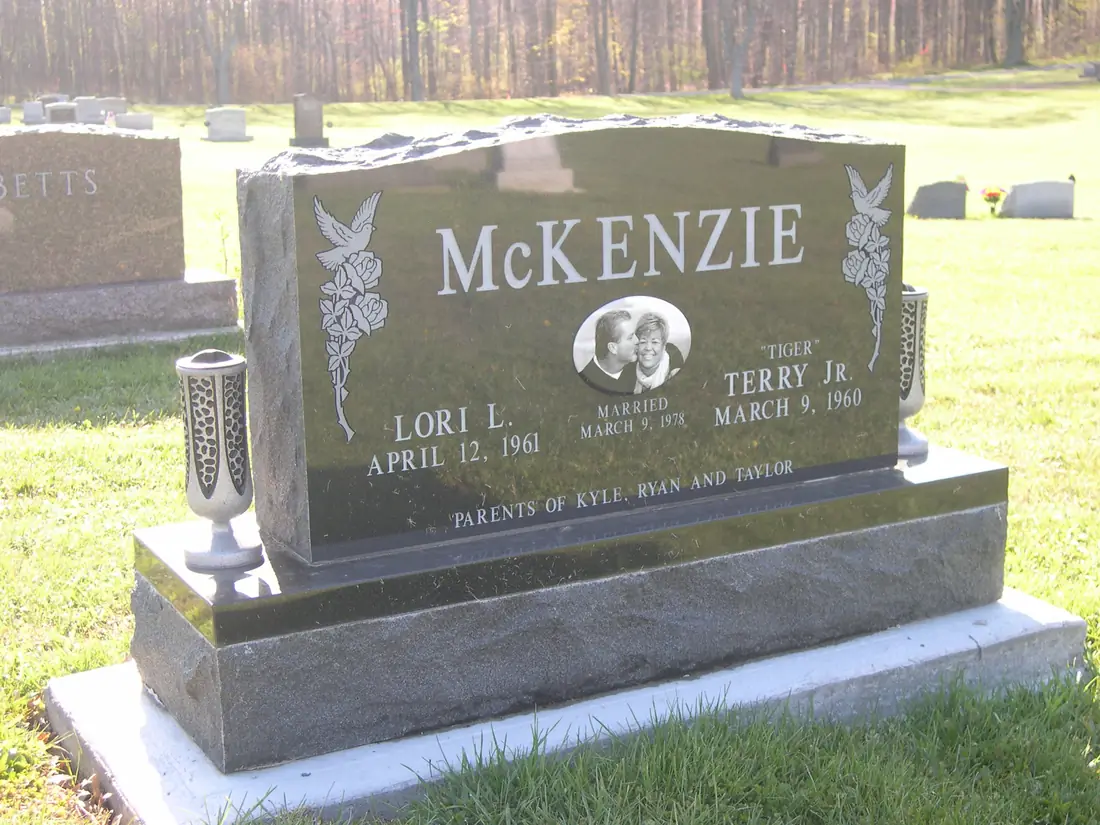
Most stones also follow an order, because it is the order a reader's eye expects. Family surname across the top of an upright monument. Given names and dates below it. The relationship line under those, and the epitaph last, often smallest. Break that order deliberately if you have a reason. Break it by accident and the stone reads as crowded even when it is not.
The name is not always the obvious decision
Families expect the name to be the easy part, and it is the part that most often needs a conversation.
Full legal name, or the name everyone used. A stone that reads ROBERT is correct. A stone that reads ROBERT "BUD" is the one his grandchildren will recognize. Nicknames in quotation marks are a long-standing convention and no cemetery objects to them.
Maiden names. For a married woman, three approaches are all traditional. The married name alone. The married name with the maiden name in parentheses or after "née". Or the maiden name in full, on a family stone where she is buried among her own relatives. Genealogists a century from now will thank you for the maiden name. It is the single most useful piece of information a headstone can carry, and it is the one most often left off.
Suffixes and titles. JR, SR, III, and credentials such as MD or REV are usually cut in the same size as the name. They are part of how a person was addressed, so leave them in if they were used in life.
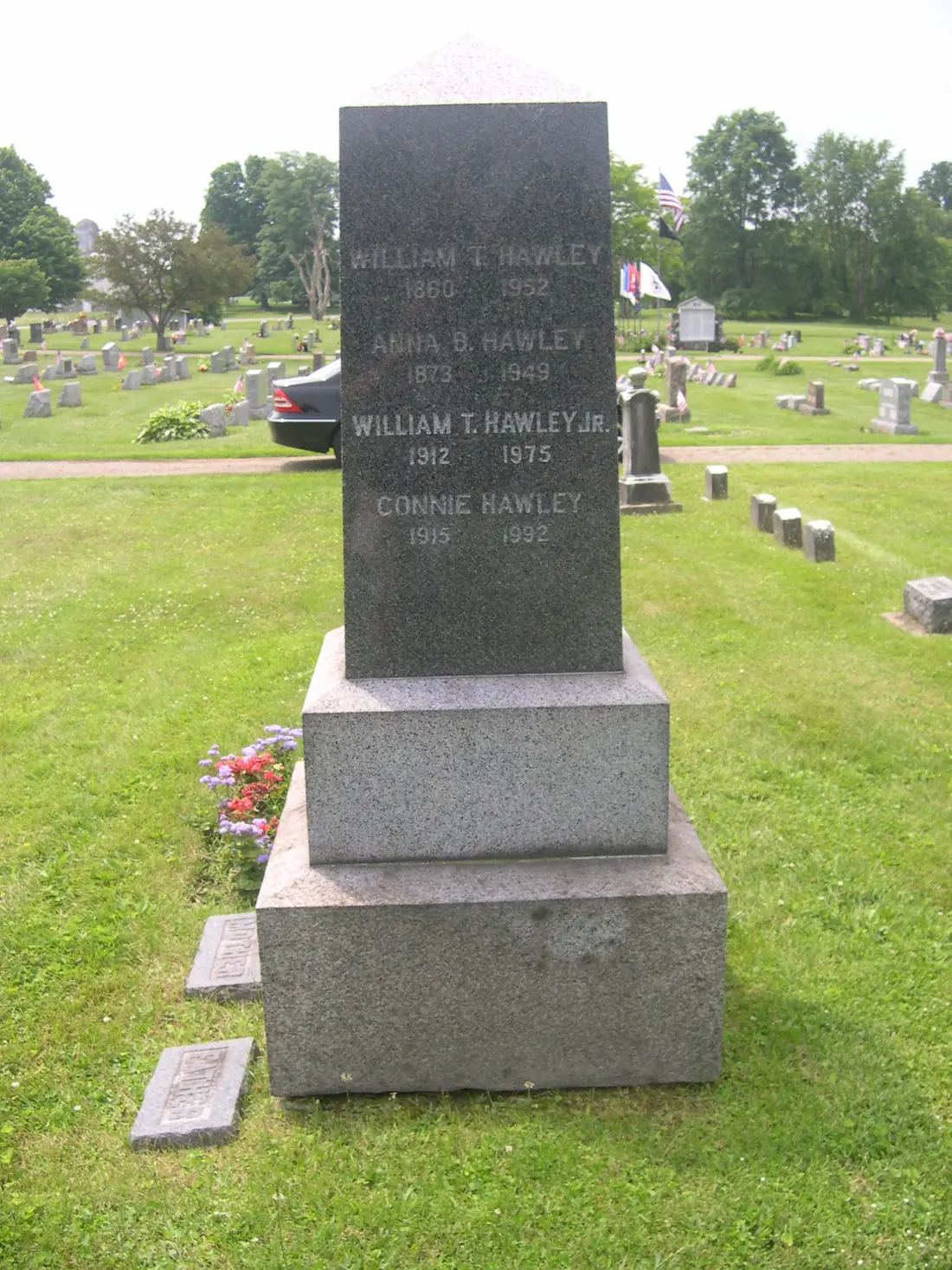
Matching a companion or family stone. If a stone is already standing for a spouse or a parent, the new inscription should follow it: same name format, same lettering style, same abbreviations. Most of the time this is not a new stone at all. We are cutting into the stone that is already there to add the second date, matched to the lettering already on it. Bring a photograph and the cemetery details.
Dates, and the formats families choose between
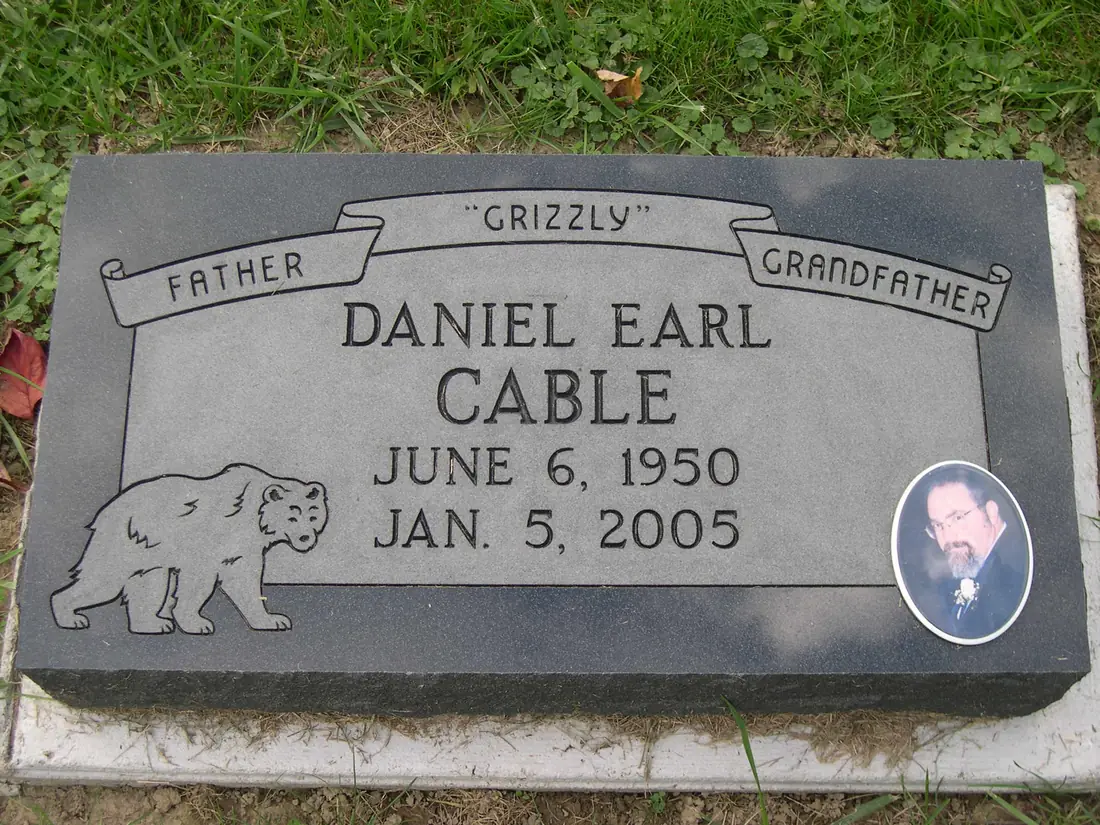
Years only, or full dates. Years alone (1942–2026) are clean, timeless, and leave room for more words. Full dates give a genealogist everything. Neither is more correct. Upright monuments generally have room for full dates; flat and slant markers often do not, once a relationship line and an epitaph are added.
How the date is written. Spelled-out months (JUNE 4, 1942) read more formally and take more space than numerals (6-4-1942). Roman numerals appear on some older stones and on a few modern ones. Whatever you choose, use it consistently for both dates and on every stone in the family plot.
Sunrise and sunset. Some families label the two dates SUNRISE and SUNSET rather than birth and death. It is a well-established tradition and it changes the whole feeling of the stone.
The blank second date. On a companion monument bought ahead of need, both names and both birth dates are cut now, and the surviving spouse's death date is added later. This is completely normal and it is one of the reasons pre-planning works well; our guide to pre-planning a memorial covers how families handle it. What matters at the design stage is simply leaving the space, correctly proportioned, so the later date does not look like an afterthought.
Check every date against a record, not a memory. More on this below, but it belongs here too: birth years are the single most common error caught at proof, and they are caught because someone finally looked at a document instead of recalling.
Finding the right words
If an epitaph has not already suggested itself, start here:
Their own words. The phrase they always said, the way they signed letters, the advice everyone repeats at family dinners. An epitaph in the person's own voice never feels generic, because it is not.
Words of faith. For many families, a verse settles the question: "The Lord is my shepherd," "Well done, good and faithful servant," "Until we meet again." If a longer passage matters to you, the reference alone, such as Psalm 23, can stand in for the whole.
The traditional lines. Phrases like "Forever in our hearts," "Together forever," and "In loving memory" have endured because they are true and they fit. There is no penalty for choosing a classic.
A line about how they lived. "She made everything grow." "He never met a stranger." One concrete sentence about a life often outshines a famous quotation.
Take your time with this. A monument is usually designed in the weeks or months after the funeral, not in the first days, and the right words tend to surface once the family has had time to tell stories. Our guide to how long a headstone takes explains why that unhurried pace is normal rather than a delay. If you are choosing a stone ahead of need, as more families now do, you can write your own epitaph with all the time in the world.
Inscription examples, by who the stone is for
These are starting points, not a menu. Almost every family that arrives with one of these leaves with something close to it but in their own words, which is exactly how it should go.
For a husband or wife
- Together forever
- Beloved husband and father
- Until we meet again
- Side by side, in life and in rest
- Loved beyond words, missed beyond measure
For a mother
- Her love was her legacy
- Devoted mother and grandmother
- She made a house a home
- The heart of our family
For a father
- A good man, a good life
- Devoted husband, father, and grandfather
- He built what he loved
- Always our strength
For a child
- Too beautiful for earth
- Our little angel
- Safe in the arms of Jesus
- Loved every day of a short life
Short lines, for stones with little room
- At rest
- Forever in our hearts
- Gone but not forgotten
- In loving memory
- Rest in peace
- Asleep in Jesus
- Reunited
From scripture
- "The Lord is my shepherd" — Psalm 23:1
- "Well done, good and faithful servant" — Matthew 25:21
- "I have fought the good fight, I have finished the race, I have kept the faith" — 2 Timothy 4:7
- "Blessed are the pure in heart" — Matthew 5:8
- "Love never fails" — 1 Corinthians 13:8
- "In my Father's house are many rooms" — John 14:2
If a verse matters more than it will fit, cut the reference alone. A stone that reads simply PSALM 23 carries the whole psalm for anyone who knows it, and takes one line.
For a veteran
- Duty. Honor. Country.
- He served
- A grateful family, a grateful nation
- Faithful unto death
A veteran's stone has rules attached if the government is furnishing it, and they are worth knowing before you settle on wording. They are covered further down.
Lettering: the styles, and how the letters are cut
This is the half of the inscription decision that families rarely arrive prepared for, and it changes the character of a stone as much as the words do.
The styles. Three families of lettering cover nearly every monument in an Ohio cemetery. Roman (upright, serifed, evenly weighted) is the default for a reason: it is the most legible at a distance and it does not date. Old English (blackletter) is formal and traditional, beautiful on a surname across the top of an upright, and hard to read in long passages, so it is best used for the family name alone. Script is warm and personal and suits a short epitaph or a nickname, but it loses legibility badly at small sizes and in raking winter light.
How the letters get into the stone. Most monument lettering is sandblasted: a rubber stencil is cut to the approved design, bonded to the polished face, and abrasive is driven against it under pressure, cutting the exposed letters into the granite. That is how the letters on our monuments are cut, and it is why they sit properly in the stone rather than on it. A sandblasted letter has depth and a shaped wall. It will still be legible when the polish around it has weathered.
Laser etching is the other process, and it does something different. Instead of removing depth, a laser marks the surface in fine light-on-dark detail. It is how photographic portraits, landscapes, and detailed scenes get onto a monument. It needs a dark, polished granite to show contrast. Black is the usual choice, and our guide to choosing a granite headstone color explains why. Etching and inlay work sit alongside sandblasted lettering on the same stone all the time.
Depth, width, and legibility. A deeply cut letter throws a shadow, and the shadow is what you read from across a cemetery. That is why depth matters more than size: a modest letter cut properly outreads a large letter cut shallow. It is also why the shape of the letter matters in a freeze-thaw climate: clean, well-formed walls shed water rather than holding it.
Painting and gilding. Letters are sometimes painted (usually white or black) or gilded with gold leaf for contrast, most often on a stone whose color gives little natural contrast on its own. Understand it as a finish rather than as part of the carving: it is a surface treatment, it will need renewing eventually, and the letter underneath it is permanent either way.
Emblems, symbols, and artwork
The emblem is the fastest-read thing on a monument. Long before a visitor is close enough to read a name, they have registered a cross, a Star of David, a service insignia, a sheaf of wheat.
Families most often choose from four groups:
- Faith. Latin and Celtic crosses, praying hands, the Star of David, a rosary, a dove, an open Bible.
- Service. Branch insignia, unit designations, the American flag, a first responder's shield.
- Belonging. Masonic square and compasses, Knights of Columbus, Eastern Star, a union or lodge emblem.
- The life itself. A tractor, a hunting scene, a fishing rod, sheet music, a nurse's cap, a favorite tree. This is the group that has grown most, and it is the group that makes a stone unmistakably one person's.
Two practical notes. Emblems compete with words for the same surface, so decide the emblem and the epitaph together rather than one after the other. And artwork carries differently by process: a shape-carved or sandblasted emblem reads as depth and shadow at any distance, while a laser-etched scene rewards someone standing close. You can see both on finished monuments in our gallery.
If the stone is for a veteran
There are two different situations here and families routinely conflate them.
A monument you buy privately can say whatever you and the cemetery agree to. Branch insignia, service dates, unit, a flag, an epitaph: all of it is a design decision, not an application.
A headstone or marker furnished by the VA is a government product and its inscription follows the VA's own rules. According to the National Cemetery Administration, the mandatory items are the legal name, branch of service, year of birth and year of death (plus section and grave number in national and state veterans cemeteries). Rank, awards, and war service are optional items, and the VA requires supporting documentation before it will inscribe the highest rank or awards. Beyond those, "additional items" may be requested. The NCA's own examples include "appropriate terms of endearment, nicknames (in expressions such as 'OUR BELOVED POPPY'), military or civilian credentials or accomplishments such as DOCTOR, REVEREND, etc." Additional items must use Latin-alphabet characters and numbers only, and each request is subject to VA approval.
One restriction surprises people: the VA states plainly that it "will not inscribe graphics, emblems or pictures" on a government headstone or marker. What it will inscribe is an authorized emblem of belief, the Medal of Honor, and the Southern Cross of Honor for Civil War Confederates. The VA publishes the list of authorized emblems of belief, and it is long. If the emblem you want is not on it, the next of kin can apply to have a new one added, by certifying that it represents the decedent's religious affiliation or sincerely held belief and supplying a three-inch black and white image free of copyright or trademark.
Still deciding whether a government marker is the right choice at all? Our guide to the free VA marker a veteran has earned covers eligibility and VA Form 40-1330. It also covers the part that catches families out: the marker is free, but a private cemetery will charge to set it.
Verified against the National Cemetery Administration's own pages on headstone and marker inscriptions and emblems of belief, checked 2026-08-30. VA policy changes; confirm current requirements with the NCA or with us before you file.
Adding a name or a date to a stone already standing
This is its own job and it is one of the most common calls we take.
A companion stone waiting for its second date. The stone is already set and already carries both names. What is needed is the death date, cut to match the lettering that is already there. This is work that happens at the graveside rather than in the shop, so where the stone stands is part of the job.
A name added to a family stone. More text on an existing surface, which means the new lettering has to be laid out against what is there rather than designed from scratch.
Two things to expect. First, new lettering will not weather like old lettering. Freshly cut letters are lighter and crisper than letters that have stood through thirty Ohio winters, and they will take years to blend. That is normal, not a defect. Second, if the stone is dirty, this is the moment to clean it, because a fresh cut beside a soiled surface makes the contrast worse. Our guide to cleaning a headstone safely covers doing it yourself. If you would rather we handled it while we are there for the lettering, that is monument cleaning, repair, and restoration.
Memorial plaques, benches, and flat markers
Not every inscription goes on an upright monument, and the surface changes the writing.
A granite memorial bench carries its inscription across a long, low face, a shape that suits one strong line far better than a stacked block of text. A flat or slant marker has real limits. Once a name, two dates, and a relationship line are in place, an epitaph is competing for what is left. That is why the short lines above exist. A bronze plaque on a granite base is cast rather than cut, so the layout is fixed at the moment of casting and letter size is decided by the plate.
The rule across all of them is the same and it is the one families most often ignore: decide the surface first, then write to it. Words chosen for an upright and then moved onto a flat marker come back from the designer shrunk.
Keep it readable from ten feet away
There is a practical side to inscription writing, and it matters more than people expect. The more text on a stone, the smaller the letters must be, and the harder they are to read at a respectful distance. A short epitaph in large, deep lettering will still be legible after decades of Ohio winters. A paragraph in small letters may not.
Contrast matters too. Dark granite shows bright lettering crisply; lighter stones rely on shadow within deeply cut letters.
Monument shape plays a part as well. An upright monument offers the most room for text and artwork, including the back of the stone, while flat and slant markers reward shorter inscriptions. If there is more to say than the front of the stone allows, the back is a traditional place for a longer verse or the names of children.
A test worth doing before you approve anything: print the proof at full size, tape it up, and walk ten feet away. If you cannot read the epitaph from there, the stone will not read it to you either.
Check everything twice, then once more
Engraving is permanent, and the proof is the last chance to catch a mistake. Before any stone is cut, you will review the full layout: spelling of every name, every date, every comma.
Work through it deliberately:
- Read it aloud. Errors that the eye skates over, the mouth catches.
- Have a second family member read it independently. Not "look it over". Read it, alone, against the same list.
- Check every date against a document, not a memory. A birth certificate, a marriage license, the death certificate. Under stress even a birth year slips, and the death certificate itself is not immune to error.
- Check the spelling of names against a document too, including middle names and the spelling of a maiden name.
- Check the punctuation and the abbreviations against any stone already standing in the plot, so the family's stones agree with each other.
- Check what is not there. A missing middle initial, a dropped JR, an omitted maiden name. These are the errors that get noticed at the setting, when it is too late.
- Sleep on it, then approve. Nothing about a proof is improved by being signed the same hour it arrives.
A careful hour at the proof stage protects a stone meant to last centuries.
The cemetery has an opinion too
Before a design is final, it has to satisfy the cemetery as well as the family. Cemeteries set their own rules, and those rules vary from one to the next across Portage, Summit, and Stark Counties. Some sections permit only flat markers. Some limit monument height or width. Some restrict vases, photographs, or emblems. A design that is perfect for one cemetery can be refused two miles away.
This is not something a family should have to discover on their own, and it is not something to guess at. Tell us the cemetery and the section and we will check the rules for you.
When you cannot decide
Sometimes a family cannot choose between two epitaphs, or the right words refuse to come. That is normal, and it is part of what a monument builder is for. We keep books of inscriptions and emblems in our Ravenna showroom. We can show you how different wording looks on your chosen stone, before anything is engraved, and you can see finished examples in our gallery.
If you are working out what to write for someone you love, come talk it through with us. There is no charge for the conversation, no rush to decide, and no pressure. The words will come, and when they do, we will make sure they last.