
How to Choose a Granite Headstone Color
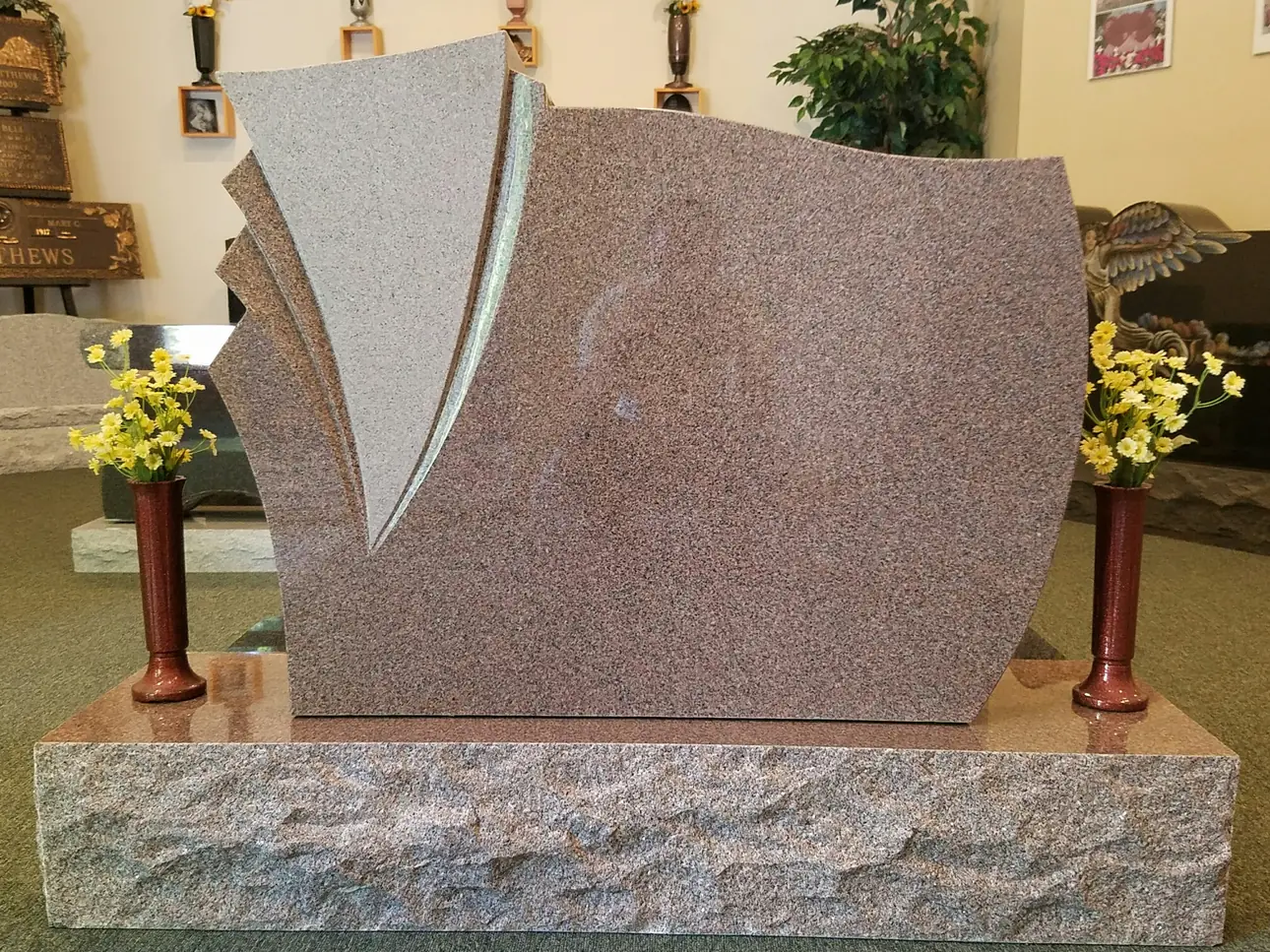
Choosing a granite headstone color is one of the first real decisions a family makes about a memorial, and it often comes at a hard time. The good news is that there is no wrong answer. Granite in every color is durable, and the choice comes down to the look you want, how the inscription will read, and a few practical details worth knowing before you decide.
Our family has been helping families across Portage, Summit, and Stark Counties work through this decision since 2004. This is what we walk through together in the shop.
Start with the cemetery's rules
Before falling in love with a color, check with the cemetery. Many cemeteries have rules about monument size, shape, and sometimes color or finish, and a few sections only allow flat or slant markers rather than upright monuments. We work in every cemetery in Portage, Summit, and Stark Counties, so if you tell us where the memorial will be placed, we can usually tell you what is allowed before you spend time deciding between options that are off the table.
The common granite colors, and what each one is like
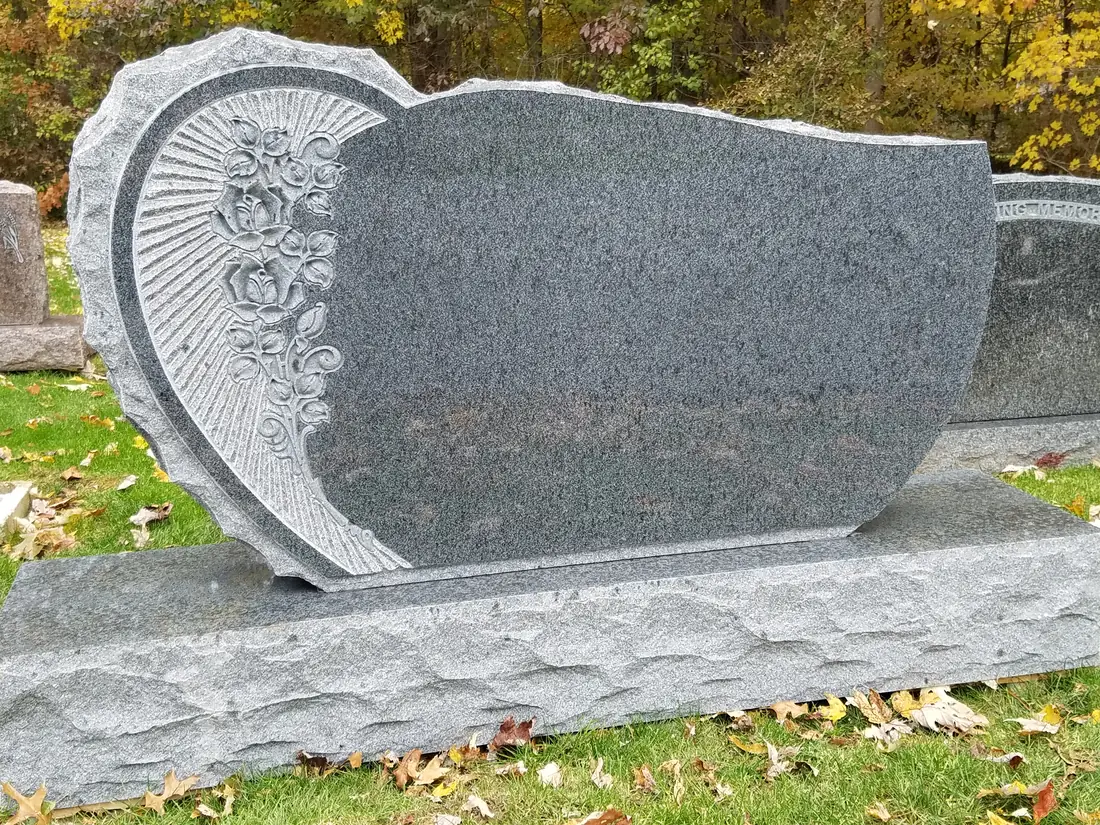
Gray granite is the classic American cemetery stone, and for good reason. It is widely available, weathers gracefully, and does not look out of place beside older monuments. Lettering is typically cut deep and frosted so it reads clearly against the polished surface. If you visit an older cemetery in Ravenna, Kent, Akron, or Canton, most of what you see standing straight after a century is gray granite.
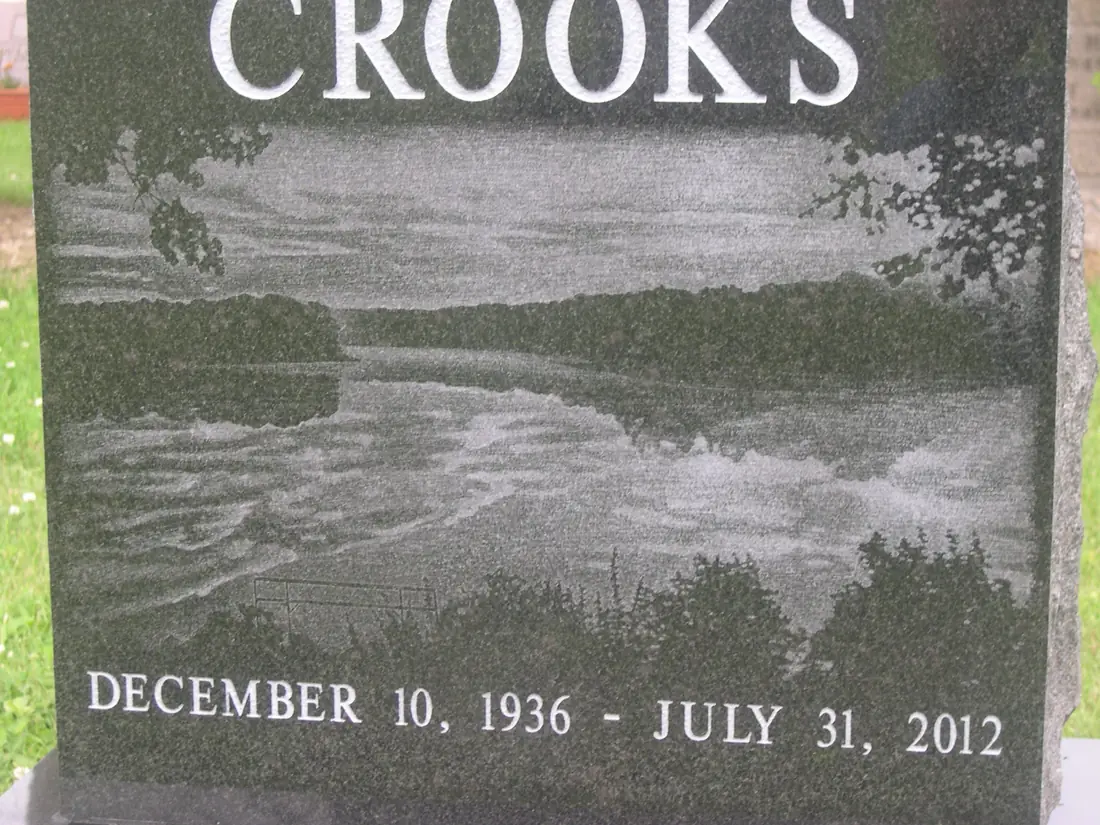
Black granite is dense, takes the highest polish of any color, and offers the strongest contrast for lettering and artwork. It is the only color we recommend for laser etching, the technique used to reproduce portraits, photographs, and detailed scenes on stone. If your heart is set on etched artwork of a face, a farm, or a favorite place, black granite is the right canvas for it.
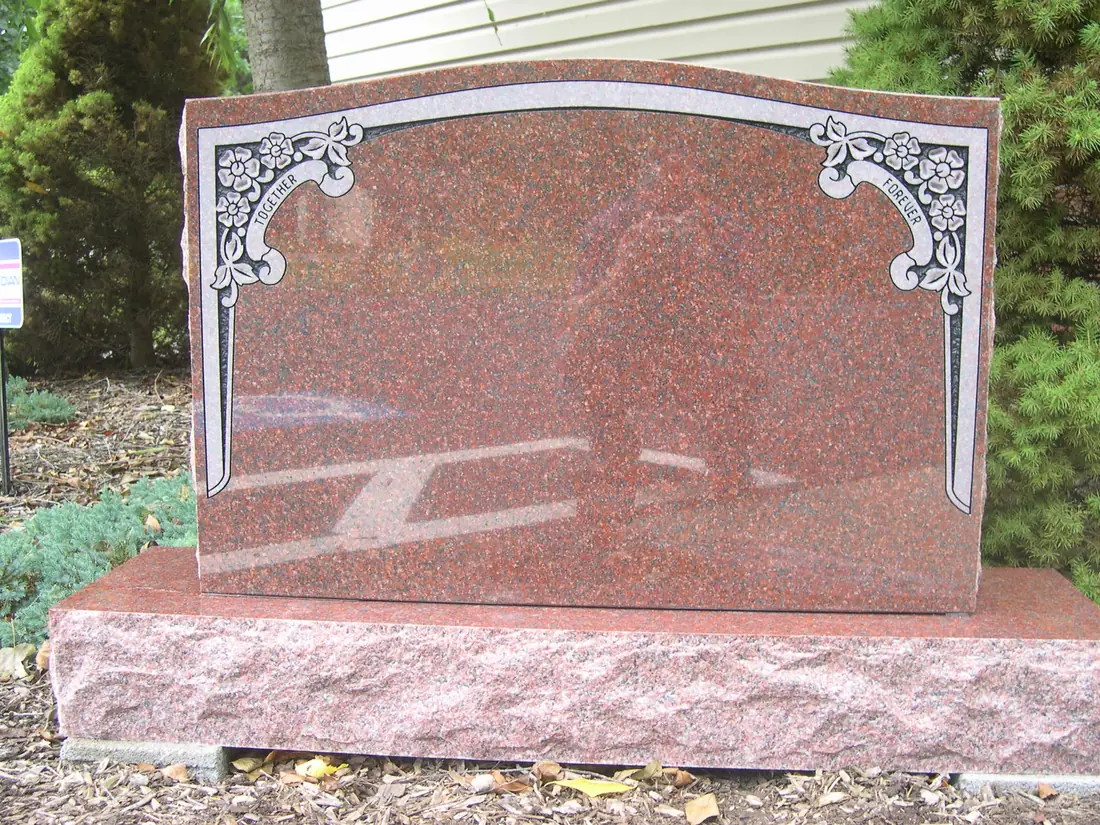
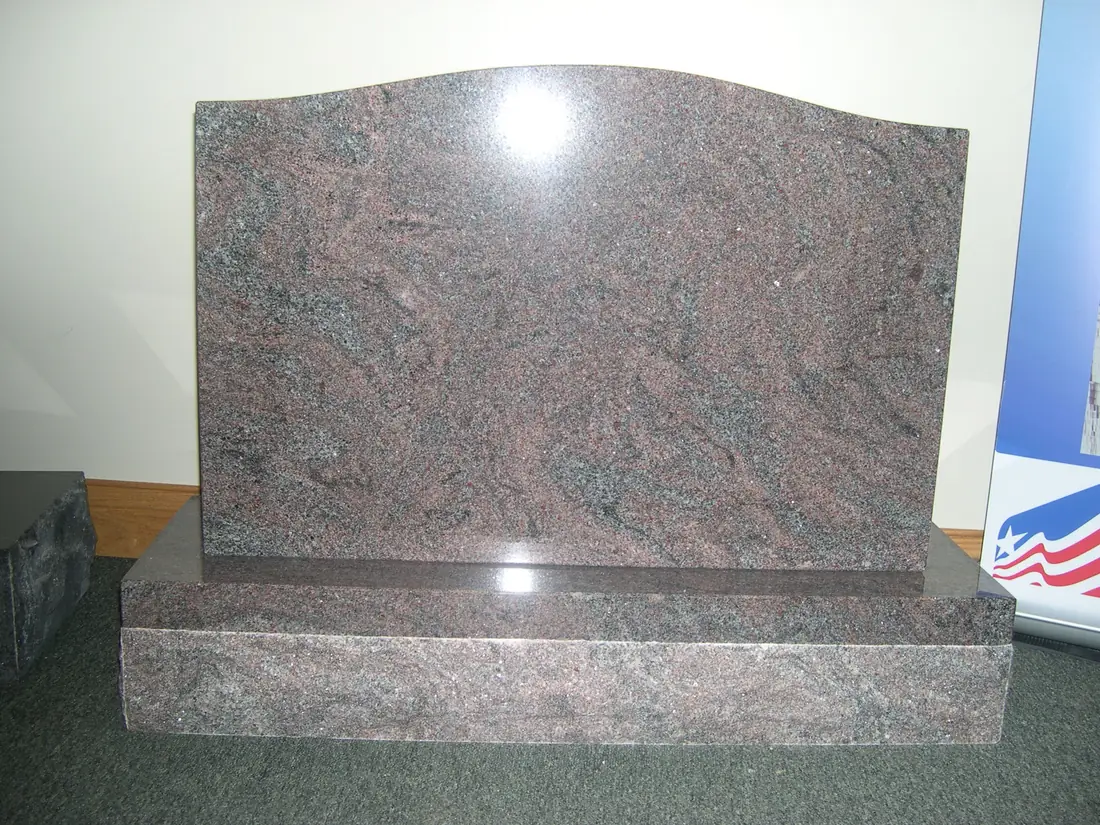
Red and mahogany granites carry warm tones that stand out in a cemetery full of gray. They take a high polish and hold engraved lettering well. Families often choose them to reflect a bold or warm personality.
Rose and pink granites offer a softer warmth. These stones are a longtime favorite for companion monuments, where two names share one stone, because the color reads as gentle rather than somber.
Blue, green, and other specialty colors exist as well, with flecks and movement in the stone that can be striking. Availability varies more than with the standard colors, so if one of these speaks to you, ask early so we can confirm what can be sourced for your timeline.
Think about how the inscription will read
A monument is read, not just seen, so contrast matters. Dark stones show bright, frosted, or etched lettering crisply. Lighter stones rely on shadow inside deeply carved letters, which is why traditional gray monuments use deep, V-cut inscriptions that catch the light.
This is also where color and technique meet. Laser etching needs the near-black background to show its detail. Hand-cut and sandblasted lettering works on every color. If a specific portrait, verse, or emblem matters to you, it helps to choose the artwork and the stone together rather than one after the other, and our guide to what to write on a headstone covers the words themselves. You can see how different colors and techniques read in person in our gallery of finished work.
Finish matters as much as color
The same granite can look quite different depending on its finish:
- Polished surfaces are glossy and deepen the stone's color. Most lettering surfaces are polished.
- Steeled or honed surfaces are smooth but matte, giving a softer, more muted tone.
- Rock pitch edges are hand-chipped and natural, the traditional look on the sides of many upright monuments.
Many monuments combine finishes, for example a polished face for the inscription with rock-pitched edges. When you compare colors, ask to see them in the finish you are considering, because a polished sample and a steeled sample of the same granite can look like two different stones.
Where the granite comes from
Families sometimes ask where the stone itself originates. Granite for American memorials is quarried both in the United States and overseas, including China, and quarry location is part of what determines which colors are available. Whatever the source, every monument we sell is cut and hand-finished in the USA, and we stand behind the quality of the finished stone. If domestic origin matters to you, tell us, and we will walk you through which colors come from American quarries.
See the stone in person before you decide
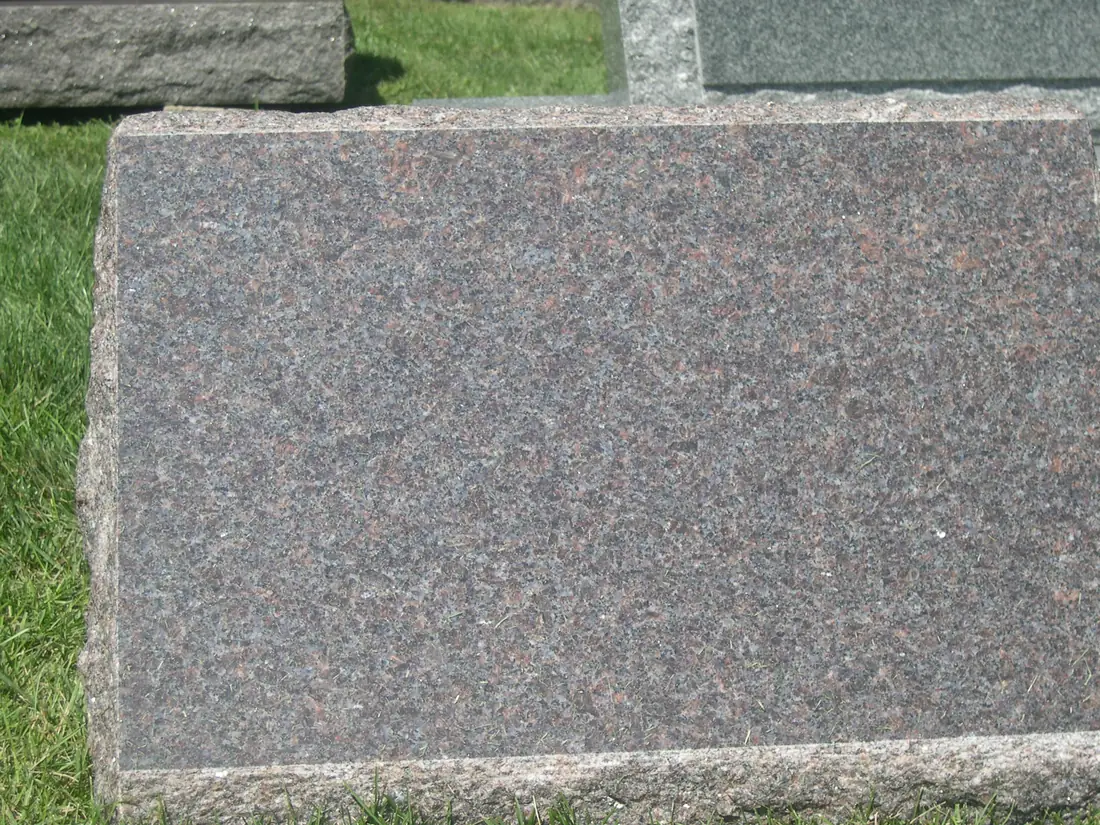
Photographs flatten granite. The depth, the flecking, and the way a polished surface holds light are hard to judge on a screen, and two slabs of the same color can vary slightly because granite is a natural material. We keep samples in our Ravenna showroom so you can hold the stone, see it in daylight, and compare colors side by side before anything is ordered.
There is no need to rush this decision. A monument is usually placed months after a burial, and taking a few extra weeks to choose the right stone costs nothing but time. Our guide to how long a headstone takes explains why that gap exists and how the two schedules overlap.
When you are ready, we are here
If you are beginning to think about a memorial, whether for someone recently lost or as part of planning ahead, we are glad to answer questions with no obligation and no pressure. Reach out to us or stop by the showroom on S. Prospect Street in Ravenna, and we will help you find the stone that feels right.