
How to Clean and Care for a Headstone, Safely
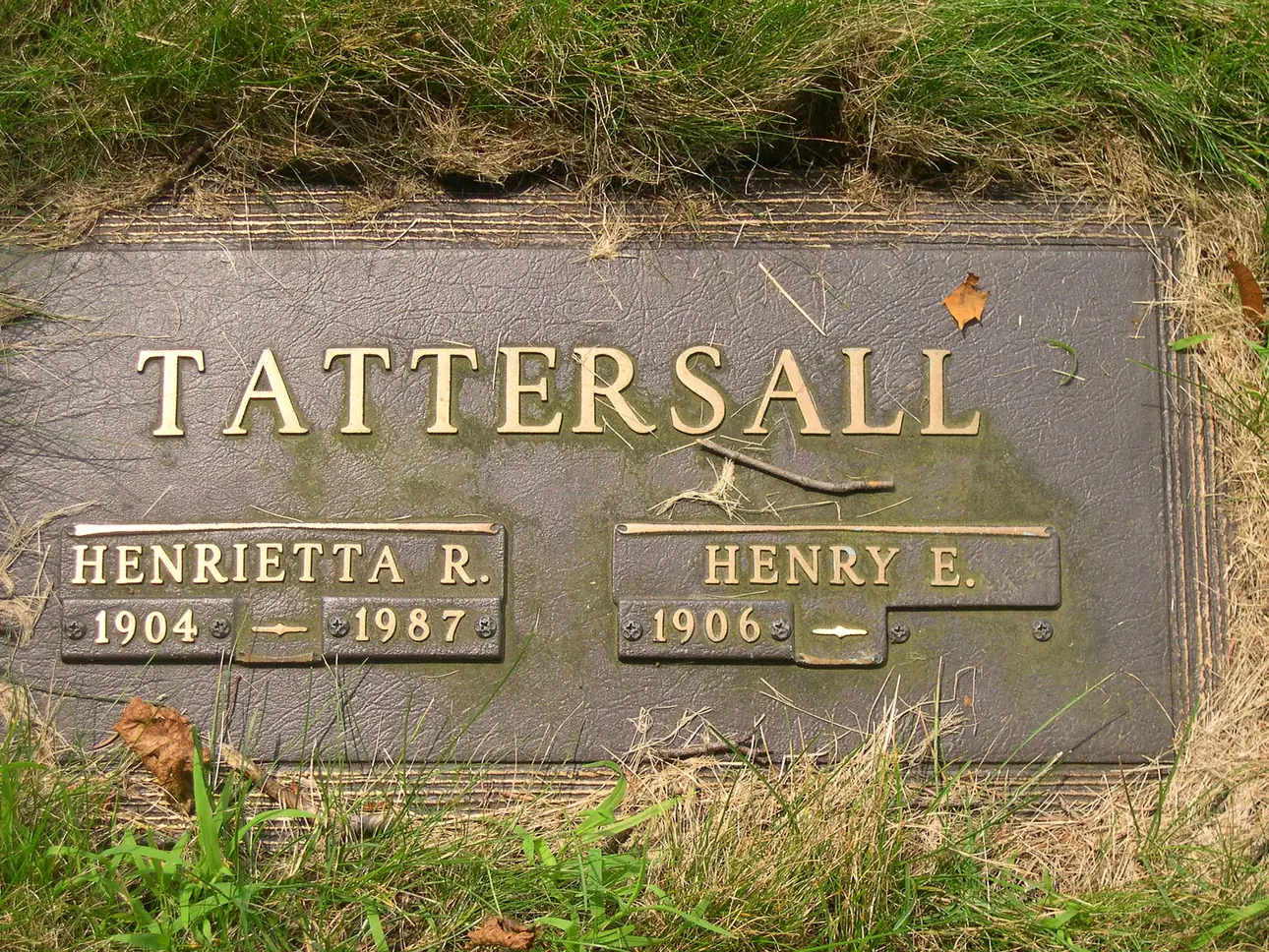
Visiting a loved one's grave and finding the stone darkened by weather, lichen, or bird droppings is a quiet kind of heartache. The good news is that a granite memorial can almost always be brought back, and most routine cleaning is something a family can do themselves with nothing more than water, a soft brush, and patience.
Our family has cared for monuments across Portage, Summit, and Stark Counties since 2004, and we have seen far more stones damaged by well-meaning cleaning than by neglect. So the most important rule comes first: when in doubt, use less. Less pressure, less product, less scrubbing.
Almost everything that ruins a headstone is something someone applied to it on purpose.
Before you start
Check with the cemetery. Most cemeteries welcome families caring for their own monuments, but a few have rules about products or prefer that their grounds crew handle it. A quick call avoids surprises.
Check the stone's condition. Never scrub a monument that is cracked, flaking, or unstable on its base. Cleaning a damaged stone can make the damage worse, and a leaning monument is a safety issue: a full-size upright weighs several hundred pounds and does not need much of a push. If you see any of these, stop and have it looked at first.
Give yourself enough water. More jobs are spoiled by running out of water halfway through than by any other planning mistake. If there is no spigot near the grave, bring more than you think you need.
Know what you are cleaning, because it changes everything
The single most useful thing you can do before touching a stone is work out what it is made of. The methods below are safe on one material and destructive on another.
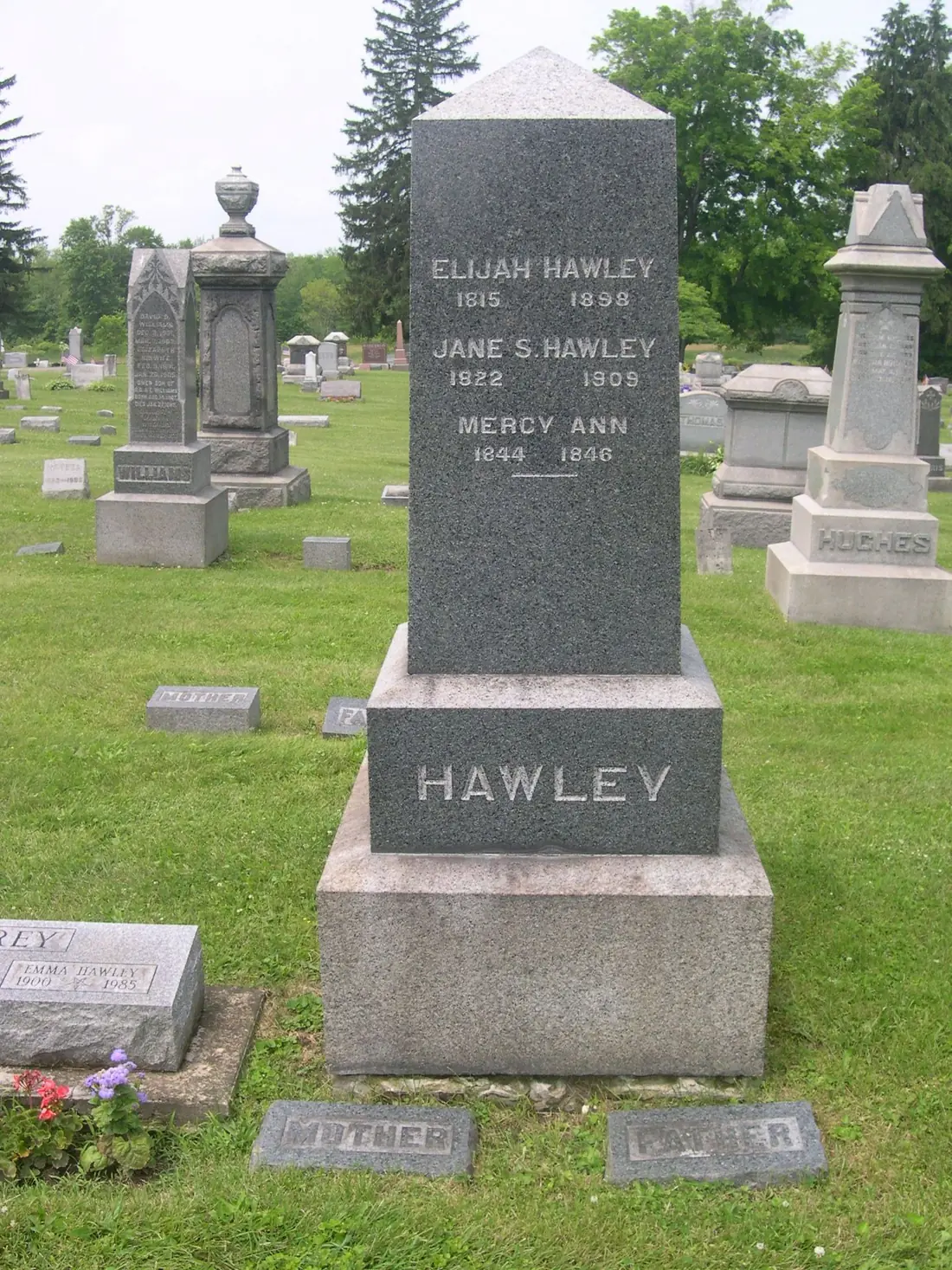
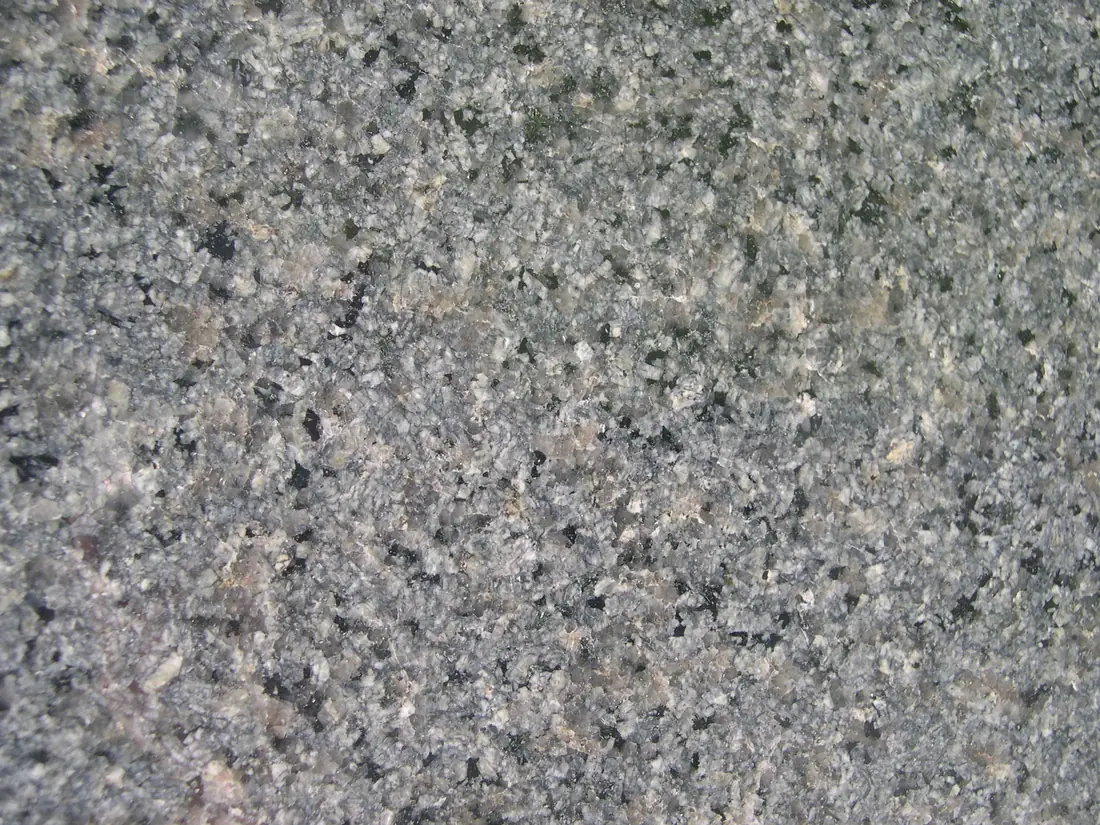
Granite is the dense, speckled, usually shiny stone used for nearly every memorial of the last several decades. Run a hand over it: it feels hard and glassy, and you can often see individual mineral flecks. Granite is the most forgiving material in the cemetery, and everything in the step-by-step section below is written for it. If you are curious about why the colors and finishes differ so much, our guide to choosing a granite headstone color covers that side of it.
Marble is the white or pale gray stone you see on most nineteenth- and early twentieth-century graves. It is far softer than granite and it dissolves in acid, including the mild acid in rain, which is why century-old marble inscriptions go faint. Weathered marble often develops a rough, granular surface that conservators call sugaring, because it feels like wet sugar under your fingers. If the surface is sugaring, stop. Any scrubbing at that point takes the stone away with the dirt. Plain water and a very soft brush, or nothing at all, and get advice before you go further.
Limestone and sandstone are softer still, and behave like marble: no acid, no abrasion, no pressure. Sandstone in particular can delaminate, peeling away in sheets when water gets behind the surface and freezes.
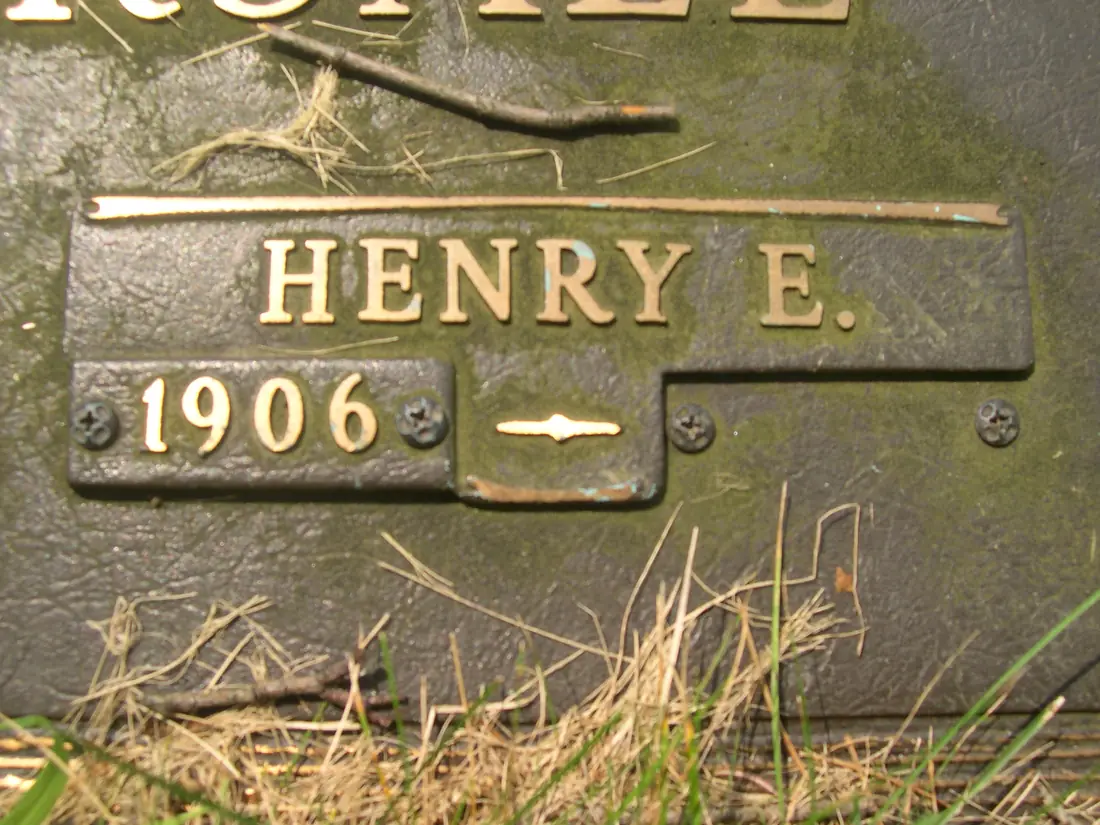
Bronze, the dark metal plaque set into a granite base that you see in flush-marker sections and on many veterans' graves, is not stone at all and needs a different approach. It has its own section further down. Do not use stone methods on bronze.
If you cannot tell what you are looking at, that is a perfectly good reason to send us a photograph before you start.
What you need
The full kit fits in a bucket:
- Clean water, and plenty of it. A few gallons if there is no spigot nearby.
- A soft-bristle brush, such as a natural-bristle or nylon scrub brush. Nothing metal.
- A soft cloth or sponge.
- A wooden or plastic scraper for moss and lichen, if needed.
- A soft toothbrush for lettering and carved detail.
- Optionally, a cleaner made for memorial stone, such as D/2 Biological Solution, the product used on national cemetery headstones. Plain water handles most jobs without it.
The safe method, step by step
- Wet the whole stone first. Soak the monument with clean water before any scrubbing. A dry scrub grinds grit into the surface.
- Work from the bottom up. Cleaning downward sends dirty streaks over dry stone, where they can stain. Start low and move up, keeping everything wet.
- Scrub gently in small circles. Let the water and the brush do the work. Use the wooden scraper, held nearly flat, to lift thick moss or lichen after it has soaked.
- Get into the lettering carefully. A soft toothbrush cleans engraved letters and carved details without wearing their edges.
- Rinse thoroughly. Flush the stone with clean water until no suds or residue remain. Residue left in the stone causes the streaks and haze people often blame on the cleaner.
- Let it dry on its own. A freshly cleaned granite stone may look mottled while damp. Give it a day before judging the result.
About D/2, and how to use it properly
D/2 Biological Solution is the one product worth keeping in the bucket. It is a pH-neutral biological cleaner formulated for memorial stone, it is what national cemeteries use on their headstones, and unlike household cleaners it will not etch granite or eat marble.
Two things people get wrong with it.
The first is impatience. D/2 does not work like a kitchen spray. Wet the stone, apply the product, let it sit for ten or fifteen minutes, scrub lightly with a soft brush, and rinse well. Then stop. Biological growth keeps dying back for weeks afterwards, and a stone often looks noticeably better a month later than it did the afternoon you cleaned it. Families who judge the result the same day frequently reach for something harsher and cause damage that was never necessary.
The second is using it neat on soft stone that is already failing. On sound marble it is fine. On sugaring marble, nothing helps, because the problem is the surface itself.
The specific problems, one at a time
Green film and algae. The easiest thing on this list. Water and a soft brush, on a stone that gets some sun, usually handles it.
Moss and lichen. Lichen is the flat, crusty, gray-green growth that looks painted on, and it roots into the surface. Soak it thoroughly, give the water time to soften it, and lift it with a wooden or plastic scraper held nearly flat. Never pick at dry lichen. On granite you will scratch the polish, and on marble you will pull the surface off with it. Heavy lichen is a job worth handing over.
Bird droppings. Deal with them sooner rather than later. They are mildly acidic and will etch a polished granite surface if they sit through a summer. Soak, soften, and rinse. Never scrape them off dry.
Hard water and sprinkler spotting. Chalky white spots where irrigation hits the stone. Plain water and patience; repeated gentle washing does more than one aggressive one.
Rust and orange staining. This one is common in Ohio cemeteries and it is almost always our own doing: a metal flower vase, a wire flag holder, or a shepherd's hook left leaning against the stone through a winter. Rust migrates into the stone and ordinary cleaning will not shift it. Do not reach for a rust remover. The ones sold for driveways and bathrooms are acidic and will burn a permanent pale patch into polished granite. This is one to leave to our cleaning and repair service, and to prevent next time by keeping metal off the stone.
Dark crusting on old stone. A hard black or gray layer, usually on marble, in sheltered spots the rain never reaches. It is decades of airborne soot bound into the surface. It is hard to remove, easy to make worse, and best left to a professional.
Paint, adhesive, and unknown stains. Do not experiment. Solvents that lift paint also lift the polish, and whatever you try first limits what a professional can do afterwards.
Bronze markers need different care
Bronze plaques weather completely differently from stone, and the mistake families make is trying to return them to the bright gold they remember from the day of the funeral.
That color was a factory lacquer, and it was never going to last outdoors. What replaces it is patina, the soft brown or green surface that bronze grows on its own. It protects the metal underneath. Stripping the patina off does not restore the marker. It exposes it.
So: wash bronze with water and a soft cloth or brush, nothing more. No acids, no abrasives, no steel wool, no polish, no household cleaners. A proper bronze restoration (cleaning, refinishing, and re-waxing) is a specific job with specific materials, and it is one to ask about rather than attempt.
Granite cleaners, including D/2, are formulated for stone. Keep them off the bronze.
What should never touch a headstone
These are the things we most often get called to undo, and some cannot be undone:
- Bleach. It leaves salts in the stone that draw moisture, break down the surface, and can cause permanent yellow or brown staining.
- Vinegar, lemon juice, and other acids. Acid etches and dulls polished granite and eats soft stone outright.
- Household cleaners. Ammonia, all-purpose sprays, and bathroom products are formulated for tile, not memorial stone.
- Wire brushes, steel wool, and sandpaper. They scratch the polish permanently.
- Pressure washers. In untrained hands they blow out lettering edges, drive water into seams, and scar soft stone. Leave pressure equipment to professionals.
- Sealers and waxes. Granite does not need them, and they can trap moisture or discolor the surface.
- Shaving cream, flour, and chalk. These circulate as tricks for making a worn inscription readable in a photograph. They are not. They pack grease and fine particles into the pores of the stone, they are very difficult to rinse out of carved lettering, and on porous marble the residue feeds exactly the biological growth you were trying to see past. There is a safe way to read a faint inscription, and it is in the next section.
Reading a worn inscription without damaging the stone
Families tracing a grave for genealogy often arrive with a stone they cannot read, and this is where a lot of well-meant damage happens.
The safe method costs nothing. Wet the stone with plain water. Water darkens the surface but sits differently in the cut letters, and inscriptions that were invisible dry will often come up clearly for a few minutes.
If that is not enough, use light rather than a substance. Come early or late in the day, when the sun rakes across the face of the stone at a low angle and every carved edge throws a shadow. If the sun is in the wrong place, a mirror or a phone flashlight held almost flat against the stone does the same thing. A photograph taken in raking light will usually read better than your eye does.
What you should not do is take a rubbing of a fragile stone. On sound granite it is harmless. On sugaring marble, the pressure removes what is left of the surface.
When to clean, here in Ohio
Season matters more in this climate than most guides admit.
Do not wash a monument when a freeze is coming. Cleaning drives water into the stone's pores and into any open joint. If that water freezes overnight it expands, and freeze-thaw is the single most destructive force acting on a memorial in Portage, Summit, and Stark Counties. It is what opens joints, lifts corners, and turns a hairline crack into a repair. Wait for a stretch of mild weather.
Late spring and early autumn are the good windows. Warm enough to dry, mild enough to be safe. Families who like to have a stone looking its best for Memorial Day are better served cleaning a couple of weeks beforehand than the day before, both because the ground is drier and because a D/2 treatment is still improving.
Leave the stone alone in a hard winter. Snow and ice do not harm granite. Scrubbing it at 34 degrees might.
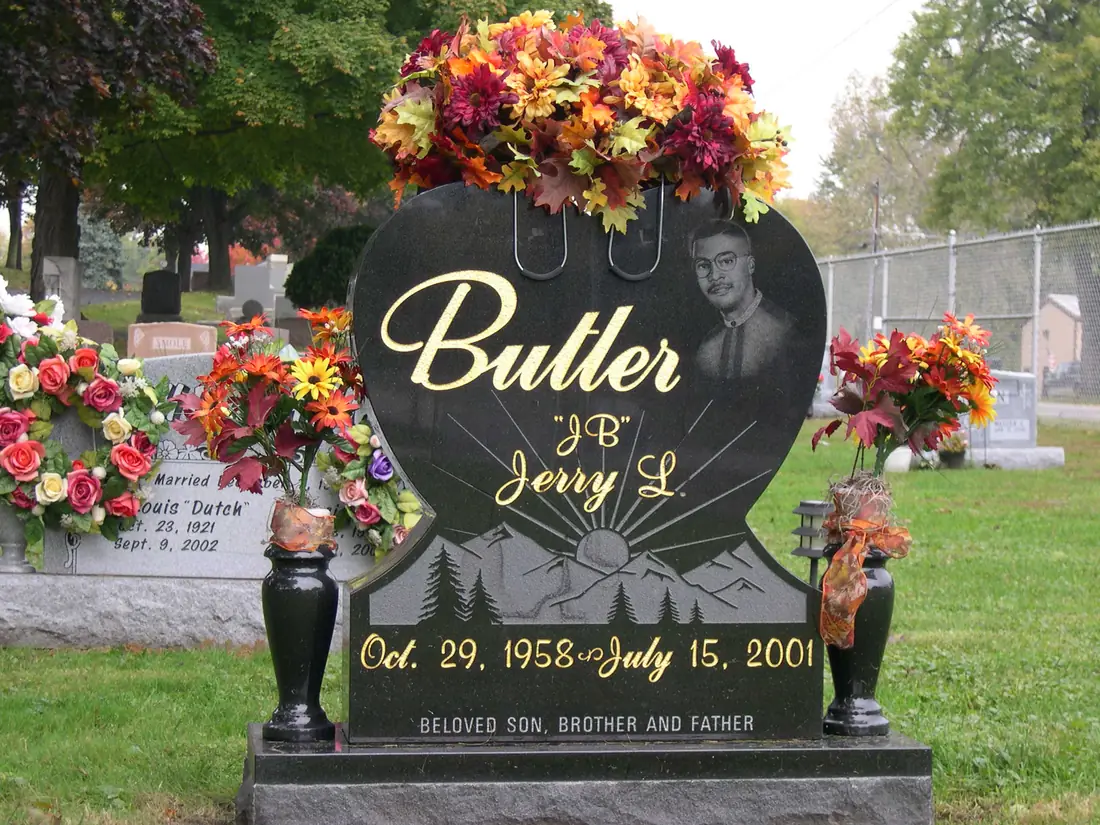
Vases, flags, and the things we leave behind
Most of the staining we are called out to remove was caused by something a family put there with love.
Metal vases, wire flag holders, shepherd's hooks, and solar lights all rust, and rust runs down stone. Glass jars crack in a freeze. Anything resting against a polished face will eventually mark it. None of this is a reason to stop decorating a grave. It is a reason to lift the decorations off the stone itself, set them in the ground or on the foundation instead, and take metal home at the end of the season.
How often to clean
Once or twice a year is plenty for most monuments. Granite is built to live outdoors, and over-cleaning wears the surface faster than weather does. A good rhythm many families keep: a gentle wash in spring, and a quick rinse before holidays or anniversaries.
Older marble should be cleaned far less often than that. Every wash of a soft stone costs a little of its surface, so unless something is actively growing on it, leaving it be is a legitimate choice.
When to call a professional
Some situations call for more than a bucket and a brush. We would rather you call us early than scrub at a problem that needs different tools:
- Heavy lichen or biological growth that has rooted into the surface
- Rust, paint, or unknown stains
- A monument that is leaning, sunken, or loose on its foundation
- Chips, cracks, or open joints where water can enter and freeze
- Marble or limestone that is sugaring, flaking, or losing its inscription
- Bronze plaques and markers, which need their own care to age evenly
- A stone you would like re-lettered, or a date added for a spouse who has passed
Our cleaning and repair service handles all of these, from a single family stone to older monuments that have stood for generations. We work at the graveside throughout Portage, Summit, and Stark Counties, we will look at photographs before anyone drives anywhere, and we will tell you honestly when a stone is better left alone. And if you are caring for a stone we did not make, that is fine. We are glad to help all the same.
A small act of remembrance
Cleaning a headstone is humble work, but families consistently tell us it is one of the most meaningful hours they spend in a year. It is time at the grave with a purpose, and the stone you leave behind looks loved, because it is.
If a monument in your family needs more care than this guide covers, reach out to us. We will take a look, tell you honestly what it needs, and treat the stone as carefully as if it stood over our own family.